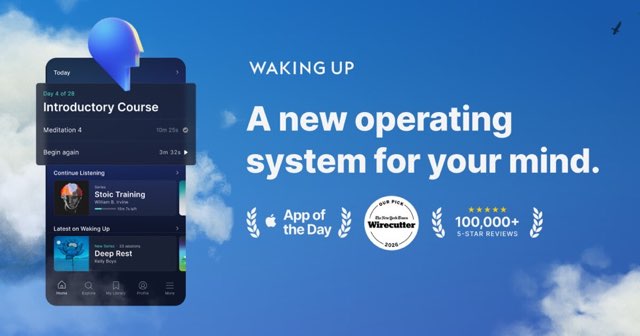
Sam Harris's app has guided meditations, lessons, and conversations about the mind. It's a good place to practice paying attention, rather than just reading about it.
A nonprofit that defends the freedom to use, study, share, and change software. That freedom is easy to take for granted until a tool you rely on won't let you do something basic.
Decart's Minecraft-like experiment draws each new frame as you play. The glitches are half the fun. You can see how far the idea has come and where it still falls apart.
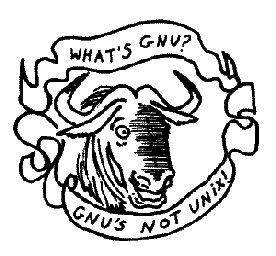
A free operating system project whose tools are used all over computing. GNU insists that users should be able to inspect and change the software they run.
Barbara Oakley and Terrence Sejnowski explain how memory, focus, and procrastination work, in a way you can actually use. It makes studying feel less mysterious.
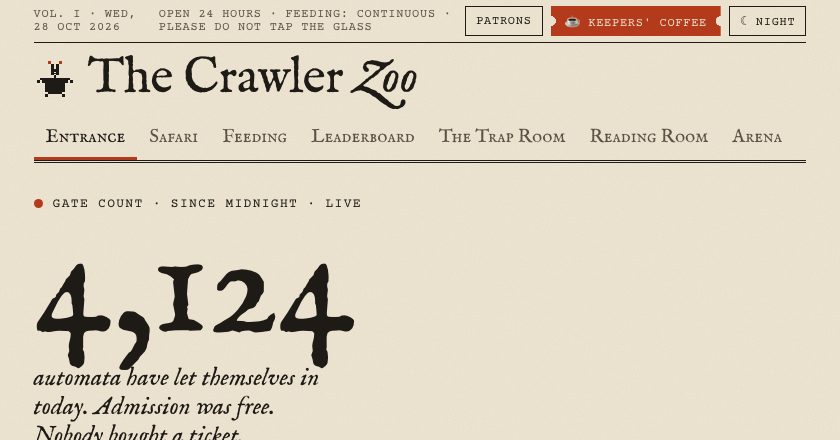
A live menagerie of bots visiting one website, complete with exhibits and traps for crawlers that ignore robots.txt. I could watch the visitor log all day.
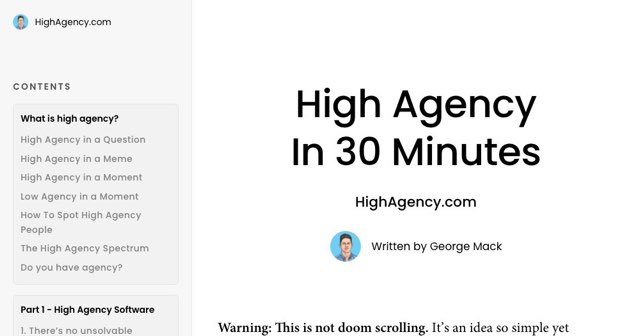
George Mack's long essay is about finding a way through obstacles instead of waiting for instructions. I reread it whenever I catch myself waiting for a perfect plan.
Toby Fox's RPG is funny and strange, and sweeter than you'd expect. Its soundtrack does so much of the storytelling that a few notes can put me right back in a scene.
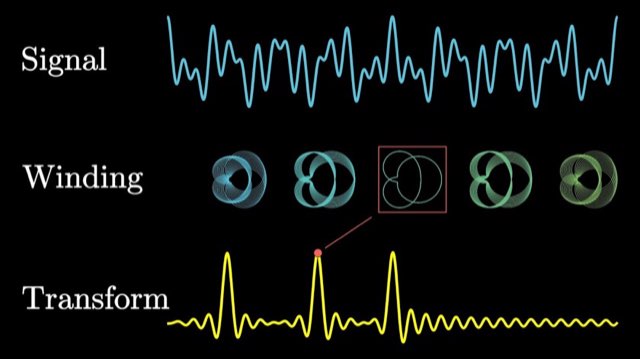
A mixed signal can hold several frequencies at once, and a Fourier transform can tease them apart. 3Blue1Brown makes that feel as startling as un-mixing swirled paint.
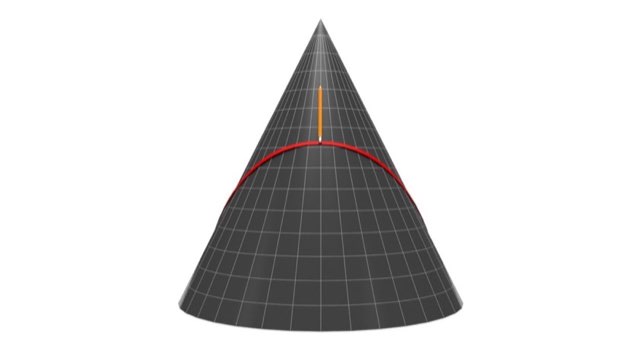
In about half an hour, Vsauce shows how straight paths on a curved surface can meet. Freely falling objects that start at rest still move through time, and their straightest paths through curved spacetime can converge. Gravity as geometry never stops feeling like magic to me.